Smart Lock Prices in Kenya (2026): What You'll Really Pay for the Lock and the Installation
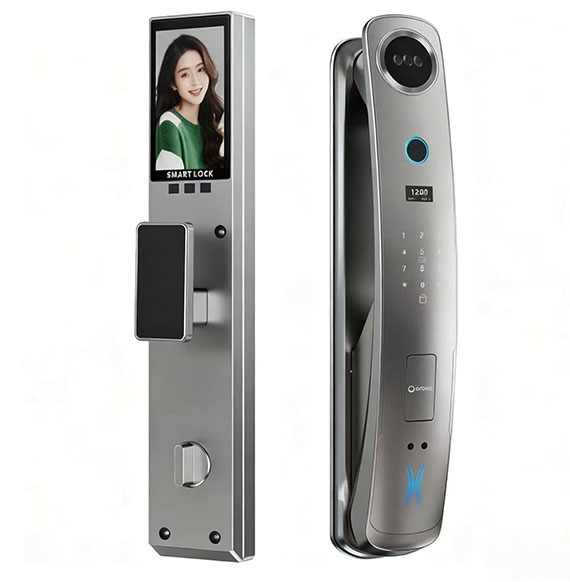
Quick answer: In October 2026, our smart locks for homes and rentals range from about KES 8,500 (entry-level Bluetooth fingerprint lock) to KES 25,000 (fully automatic fingerprint lock). Professional installation in Nairobi typically adds KES 1,500 to KES 6,000, depending on the door. Hotel RFID card locks start at KES 10,500 per door, plus a one-off card encoder and management software for the whole property.
It is 11 p.m. in Kilimani. Your guest's flight landed late, the caretaker has gone home with the only spare key, and the agent is not picking up. A stranger is standing in the corridor with a suitcase, and your five-star rating is slipping away.
One bad night like that is what pushes most people to look at smart locks. Then the next question arrives: how much does a smart lock actually cost in Kenya? This guide answers it with real numbers from the Kenya smart locks we sell and install, so you can budget for the lock, the fitting and the extras before you talk to any supplier.
Smart Locks Kenya has secured 100+ properties and installed 10,000+ doors across East Africa, so the advice below comes from fitting these locks on real Kenyan doors, not from a spec sheet.
What is a smart lock (and is a digital lock the same thing)?
A smart lock is an electronic door lock that lets you in without a traditional key. You will also hear them called digital locks, biometric locks, keyless locks or, in hotels, card locks. The label changes, but the lock opens with one or more of these methods:
- Fingerprint: your finger is the key, so there is nothing to lose or copy.
- Face recognition: hands-free entry, useful when you are carrying shopping or a child.
- PIN code: handy for guests, cleaners and contractors, because a code can be deleted without changing any key.
- RFID card or tag: the standard in hotels, where a lost card can be cancelled in seconds.
- Phone app (Bluetooth or Wi-Fi): lets you send temporary access remotely.
- Mechanical backup key: a hidden cylinder for emergencies.
The most dependable digital locks in Kenya combine at least two of these methods and always keep a mechanical override. Batteries eventually run low, and a good lock never leaves you standing outside.
Smart lock prices in Kenya: the 2026 breakdown
Prices below are the list prices on our products page as of October 2026. They are for the lock only and exclude installation. Confirm the current price before you order, since prices move with the exchange rate.
Smart locks for homes, apartments and rentals
- ECO-241 Smart Lock: Bluetooth + fingerprint, KES 8,500. Best for a first smart lock, single rooms and staff quarters.
- P7021 Bluetooth fingerprint lock: Bluetooth + fingerprint, KES 13,000. Best for apartments and rentals that need app access.
- P7026 Bluetooth & fingerprint smart lock: Bluetooth + fingerprint, KES 13,500. Best for apartments and rentals that need app access.
- ECO-243 3D face smart lock: facial recognition, KES 15,000. Best for hands-free entry for families.
- P8210 fingerprint smart lock: fingerprint, KES 17,000. Best for family homes and apartments.
- P7024 smart fingerprint lock: fingerprint, KES 20,000. Best for homes that want a step up in build.
- P8030 fully automatic smart lock: fully automatic fingerprint, KES 22,000. Best for households that want the lock to engage on its own.
Hotel card locks and keycard systems
Hotel RFID card locks in our range run from KES 10,500 for the E3041 up to KES 24,000 for the E4041 LCD electronic hotel lock, with most models between KES 11,500 and KES 17,000. A property also needs the system around the doors:
- Card encoder: the Mifare card encoder MI-ECD20 is listed at KES 30,000 and is a one-off purchase for the whole hotel.
- Portable programmer: the OBT-PP01 is listed at KES 45,000.
- Management software: quoted with your system, because it depends on the number of doors and whether it connects to your booking software.
When you compare quotes, compare like for like: the same unlock methods, the same warranty, and whether installation is included. A low sticker price that leaves out the encoder or the fitting is not a low price.
The part nobody mentions: installation costs
The lock is only half of the bill. In Nairobi, professional smart lock installation typically costs between KES 7,000 and KES 20,000. The final figure depends on:
- Door material: wooden, solid steel, fire-rated and aluminium-profile doors are all fitted differently. Our locks suit all of them.
- Door thickness: our mortise locks support doors from 35 mm to 65 mm thick.
- Preparation: whether the door must be cut, reinforced or re-aligned.
- Setup: app pairing, adding users and programming cards or fingerprints.
Worked example: a KES 13,500 lock that needs KES 12,000 of fitting is a KES 25,500 job. Always ask whether installation is in the quote. We offer a free site survey for hotel projects so doors are prepared correctly before the locks arrive, and you can request one here.
Why two smart locks that look identical can cost very different amounts
On a shop shelf, two locks can look the same and still sit far apart on price. The difference usually comes from six things:
- Materials. Zinc alloy is cheap. Our hardware uses 304 stainless steel and solid brass with PVD coating, which resists rust and sea-salt moisture, an important detail for coastal properties in Mombasa and Diani.
- Fingerprint sensor quality. A better sensor reads dusty, wet or worn fingers more reliably.
- Battery life and backup. Our hotel locks run 12 to 18 months on four AA batteries, with audible and visual low-battery warnings. That matters in a country where power cuts are routine.
- Security of the system. Our MIFARE cards use AES-128 encryption, which makes cloning with ordinary RFID copiers impractical.
- Warranty and spares. We give a 1-year manufacturer's warranty and keep spare parts such as mortises and RFID readers in Kenya, so a repair does not mean weeks of waiting for shipping. Read our warranty policy before you buy from any supplier.
- Door fit. Mortise size, thickness and handing decide which model you can actually install.
Hotels, lodges and serviced apartments: how card locks work and what they cost
If you run a hotel, lodge, guesthouse or hostel, you are shopping for a system rather than a single lock. A typical setup has an RFID lock on every room, an encoder at reception, management software, and separate master and housekeeping cards.
The benefits are practical:
- Lost cards stop working. When a guest taps a replacement card on the door for the first time, the lost card is automatically deactivated.
- Every entry is logged. Each lock keeps an audit trail of the last 1,000 events, showing which card or fingerprint opened the door and when. That settles staff and guest disputes quickly.
- No Wi-Fi needed at the door. Check-in and check-out times are written onto the card at reception, so the doors keep working if your internet goes down.
- Works with your front-desk software. Orbita's lock software integrates with systems such as Opera and Fidelio. Our guide to PMS-integrated hotel smart locks explains how that works.
For a sense of scale, we fitted 102 Orbita E3041 RFID locks at Mashpark Hotel in Nairobi. You can browse more completed hotels on our projects page. If you are weighing hotel card locks against app-based locks, the rule of thumb is simple: card systems suit properties with many rooms and a front desk, while app-based locks suit small rentals with no reception.
Airbnb and short-stay hosts: smart locks for self check-in
For a host, the biggest gain is not security, it is time. Our Airbnb and rental smart locks work with the TTLock and Tuya Smart apps, so you can send a time-bound PIN to a guest by WhatsApp or SMS. The code starts working at check-in and expires at check-out, with no key handover and no waiting at the gate.
These locks run on AA batteries (up to 12 months for our Airbnb models), so a KPLC blackout does not affect them. We fitted the ECO-243 in an Airbnb apartment at Apple Tree Apartments in Syokimau as a typical example of this setup.
Homes: smart locks in Nairobi for families
For a family home, look for a lock that offers more than one way in (fingerprint plus app, or face plus code), automatic locking when the door closes, and an entry log so you know when children or house staff come and go. Our residential biometric locks cover all three, and the model range above starts at KES 8,500.
For a real example, we installed an ORBITA P8210T fingerprint lock for a private client in a Parklands apartment. The client wanted keyless entry without giving up the convenience of a normal door. If you are searching for smart locks in Nairobi, our team handles installation across the city and the surrounding counties.
Offices and shops: access control
Offices need to know who opened up in the morning and to keep certain rooms, such as accounts or server rooms, restricted. Our office access control systems use RFID cards, key fobs and PIN codes, including narrow-stile options for glass and aluminium doors. The ORBITA MFR-301 access control unit is listed at KES 30,000.
Which smart lock should you buy? A quick guide
- Family home in Karen, Kileleshwa or Lavington: look for fingerprint or face recognition, a mechanical backup and auto-locking. Start with our residential locks.
- Rental with domestic staff: choose a lock where one user can be deleted without changing everyone's access. Start with our fingerprint and app locks.
- Airbnb or serviced apartment: look for temporary PIN codes, remote sharing and an access log. Start with our Airbnb locks.
- Hotel or lodge: choose an RFID card system with an encoder and software. Start with our card locks.
- Office or shop: look for card plus fingerprint or PIN, with entry records. Start with our office access control.
- Tenant who cannot change the door: look for a retrofit option that works with the existing lock. Ask our team what fits your door.
Smart locks vs traditional locks: is the extra cost worth it?
A traditional lock costs less on day one. A smart lock tends to cost less over time if any of these describe you:
- You re-key doors every time a tenant or staff member leaves.
- You pay locksmiths for lockouts.
- You manage several doors, rooms or units.
- You need to know who entered and when.
For one storeroom, a padlock may be enough. For a 40-room hotel or a block of 20 rentals, smart access control usually pays for itself quickly, because one lost key no longer means one new set of locks.
Seven questions to ask before you pay any supplier
- Does the price cover the lock only, or installation as well?
- How long is the warranty, and who honours it in Kenya?
- Is there a mechanical key or emergency power option?
- How many fingerprints, PINs and cards can it store?
- Will it fit my door material and thickness?
- Can I see a working demo or a similar installation in Nairobi?
- Are spare parts and technicians available locally?
A good supplier answers all seven without hesitation.
Frequently asked questions
How much does a smart lock cost in Kenya?
Smart locks for homes and rentals in our range cost KES 8,500 to KES 22,000 as of October 2026, excluding installation. Hotel RFID card locks start at KES 10,500 per door, with an encoder and software added for the property.
What are smart lock prices in Nairobi?
Prices in Nairobi are the same as the national figures above. The difference is installation, which typically costs KES 7,000 to KES 20,000 depending on the door. Ask for a written quote that states whether fitting is included.
How much does smart lock installation cost?
Professional installation in Nairobi typically runs from KES1,500 to KES6,000. The cost depends on door material, thickness, whether the door needs cutting or reinforcement, and how much app or card setup is included.
Do smart locks work during power outages?
Yes. Smart locks run on AA batteries rather than mains power, so a KPLC blackout does not affect them. Our hotel locks run 12 to 18 months on four AA batteries and warn you before they run low, and every lock has a hidden mechanical key for emergencies.
What is the best smart lock for a hotel in Kenya?
An RFID card lock system with an encoder and management software. It lets staff issue, cancel and track cards per room, works without Wi-Fi at the door, and can integrate with front-desk systems such as Opera and Fidelio.
Can a smart lock be hacked or cloned?
Any connected device carries some risk, but good systems reduce it. Our MIFARE cards use AES-128 encryption, which makes cloning with standard RFID copiers impractical, and our Bluetooth locks use encrypted communication. Offline methods such as fingerprint and card add further protection.
How long do smart lock batteries last?
Up to 12 months on AA batteries for our home and Airbnb locks, and 12 to 18 months for hotel locks depending on traffic. Locks give a low-battery warning well before they stop.
Can I fit a smart lock to my existing door?
Often yes. Our locks suit wooden, steel, fire-rated and aluminium-profile doors with thickness from 35 mm to 65 mm. A site survey confirms compatibility before you buy.
Are smart locks safe for rental properties?
Yes, and often safer than keys. You can remove a tenant's or staff member's access instantly without handing out new keys, and every entry can be logged.
Where can I buy smart locks in Nairobi?
Our central operations is at Adlife Plaza in Kilimani, where you can try the locks before you buy. You can also contact us for a quote or a site survey.
The bottom line
Smart locks in Kenya are no longer a gadget. For a home or rental, expect to spend roughly KES 8,500 to KES 22,000 on the lock, plus KES 1,500 to KES 6,000 on installation. For a hotel, budget per door, then add the encoder and software once for the whole property.
Buy for your door, your power reality and your after-sales support, not for the flashiest box. If you want a price you can plan around, browse the full range on our Kenya smart locks homepage or request a free quote and tell us about your property.
Share your expertise
Submit your own industry insights to the Orbita Kenya blog.